

Tigger the Pony
He holds part of my heart and soul!

Updated February 2026
I wrote most of these words a few years ago, but I like to revisit and remember our journey together. This is the updated version. It probably overlaps what I've written elsewhere, but I never tire of thinking and writing about him and it made me smile whilst I am stuck in bed after yesterday's chemo. I may never have found true love of the human kind, but I certainly did with the pony kind 🤣❤️
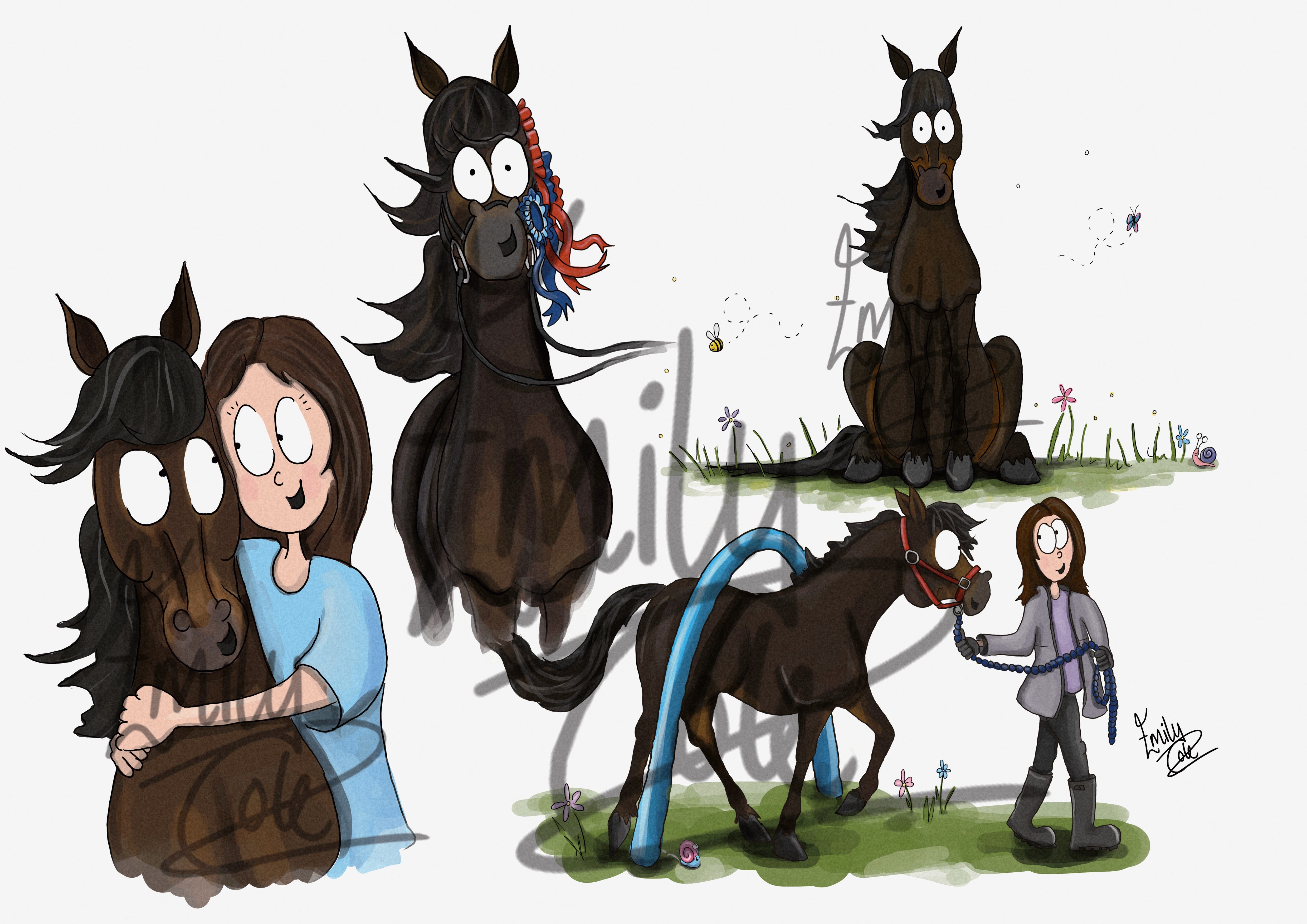
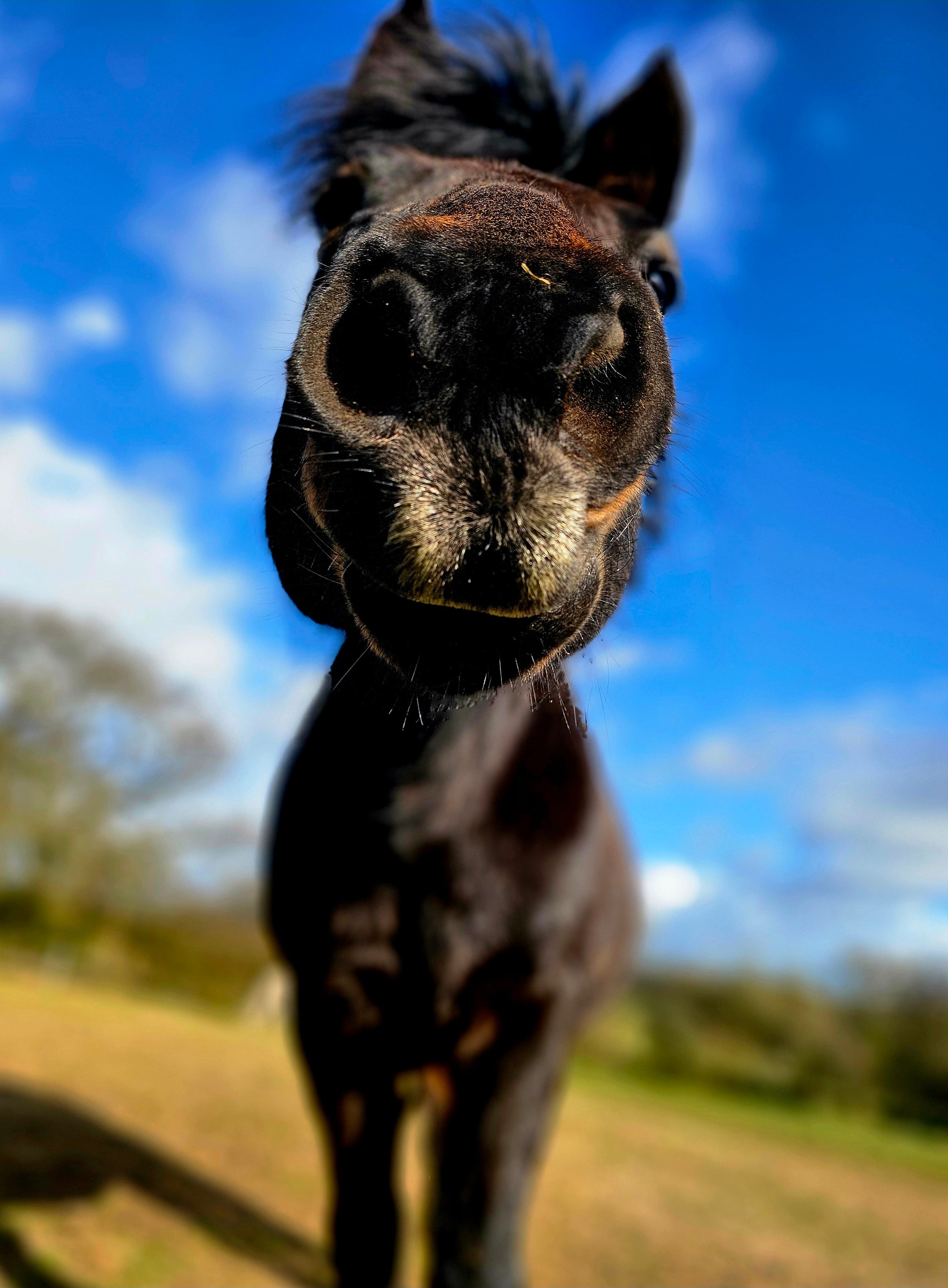
Tigger is a cheeky Dartmoor Hill Pony who stole my heart. I bought him when he was six months old; he turns 21 this May. In 2005 I was helping a friend set up and run a Dartmoor Hill Pony rescue centre. We took ponies that were unsold at market, got them used to humans, and then rehomed them. We also took in ponies when people could no longer keep them, or had taken on too much and couldn't cope. It was inevitable that I would soon end up with one of my own (and it didn't stop at 1 but that's another story)!
Choices
Tigger was part of a herd of foals on a Dartmoor farm. They had been used in a handling demonstration; some of the foals had coped better with the demo than others. I went to the field knowing they all needed homes. We took four into the rescue and helped the farmer find homes for the rest directly from the farm. To his credit, he was forward thinking and trying to find better ways to handle and sell them rather than simply putting them through the sales ring to an unknown fate.
I watched the herd of babies. They were terrified, newly separated from their mothers and thrown into a demonstration. It was a sorry sight. Tigger drew me in immediately. He seemed especially frightened and so of course that was the one I chose.
"That one,” I said to my friend pointing towards a forlorn but inquisitive looking brown pony.
"I hoped you would choose him. I knew you would,” she replied.
And so he joined our herd, and I named him Tigger.
Freeze & Shutting Down
He was unhandled and still feral, with the added trauma of the demonstration, which had used confrontational techniques. He had been alone in a round pen, recently torn from the freedom of Dartmoor, his mum and herd, surrounded by people watching. The trainer followed him, sometimes easing the pressure, but ultimately working until he was roped and forced to face them.
After an initial attempt to flee, he froze. Freeze can look like compliance. It isn’t. It is the beginning of shutting down, one of the most heartbreaking things to witness, as they simply give up trying to escape and wait to die. (I'm careful not to anthropomorphise, but it helps to imagine how overwhelming that situation must have felt. Imagine all the security you have ever known being taken away, then you are placed in a pen surrounded by lions licking their lips ready to pounce - what do you do? Flight, Fight, Freeze, Fawn, Fidget About?)
Taking him home
When he arrived at our fields, he rejoined the four foals he already knew. He had worn a headcollar during the demo and experienced basic pressure-and-release work. It soon became clear that while some Dartmoors seemed to move on from early experiences, others carried them for life. Tigger was one of the latter.
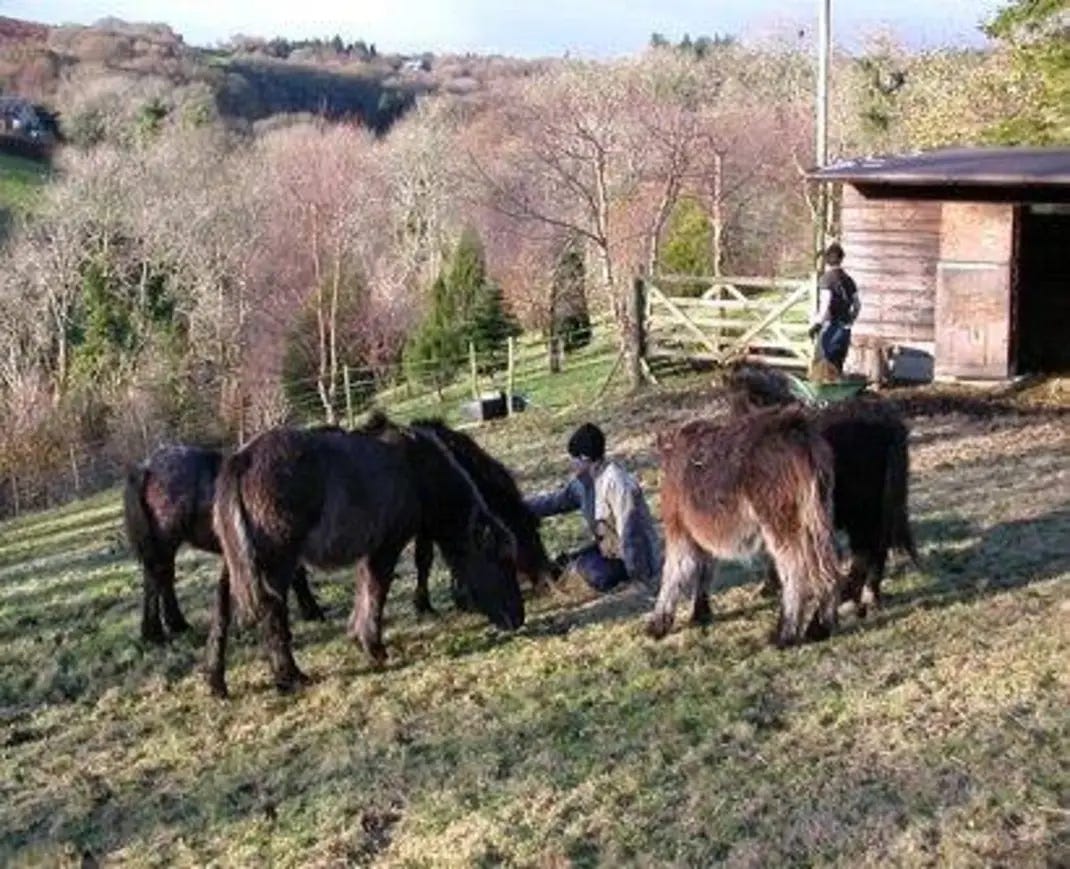
I left him to settle for a few weeks, spending hours simply observing. He gradually relaxed and then appointed himself leader of the young herd. It was a big responsibility for one so young, and it made him even more vigilant and on edge.
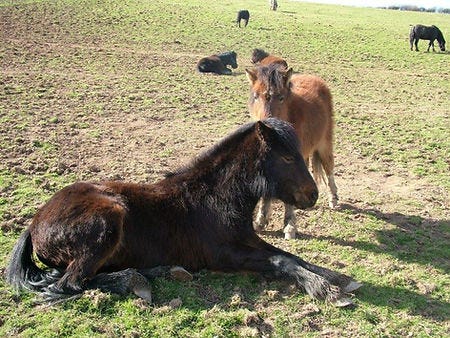
After a month, I began approaching him. He was not keen on human company. At the time, I didn’t realise what a gift that would be for myself. I spent hours sitting on hay bales while he ate nearby. Eventually he was comfortable enough to eat around me. I would gently extend a finger to touch him; sometimes he would twitch away, sometimes he wouldn’t. Small victories and he always had choice.
Later I began working with him in the stable area using a bucket of food. The layout allowed him to see the herd and walk away into a pen outside if he needed to. He always had a choice. That choice made all the difference.
Initually he was far more interested in creating space than being near me. Thankfully, he loved his food! He would sneak in, snatch a mouthful, and retreat. Gradually he stayed longer and eventually was eating calmly while my hand rested on the bucket, then allowing me to touch his face without reacting.
Next I placed the headcollar over the bucket so he could investigate it. Then he had to put his nose through it for food. Slowly, I built up to fastening it. Every step was broken down into many smaller ones. It was a sharp learning curve for both of us and the start of my education in doing similar for all the ponies that were to come after him - techniques varied depending on the pony, for some food used in this way was not an option. I could not have done it without Natalie's assistance and guidance, she is the one who set up the rescue centre and went on to help 100s of Dartmoors over the years.
Who was the real teacher?
Tigger responded to my every movement, every breath. If my energy was wrong, the session was over. Often I wondered: who was teaching whom?
Positive reinforcement
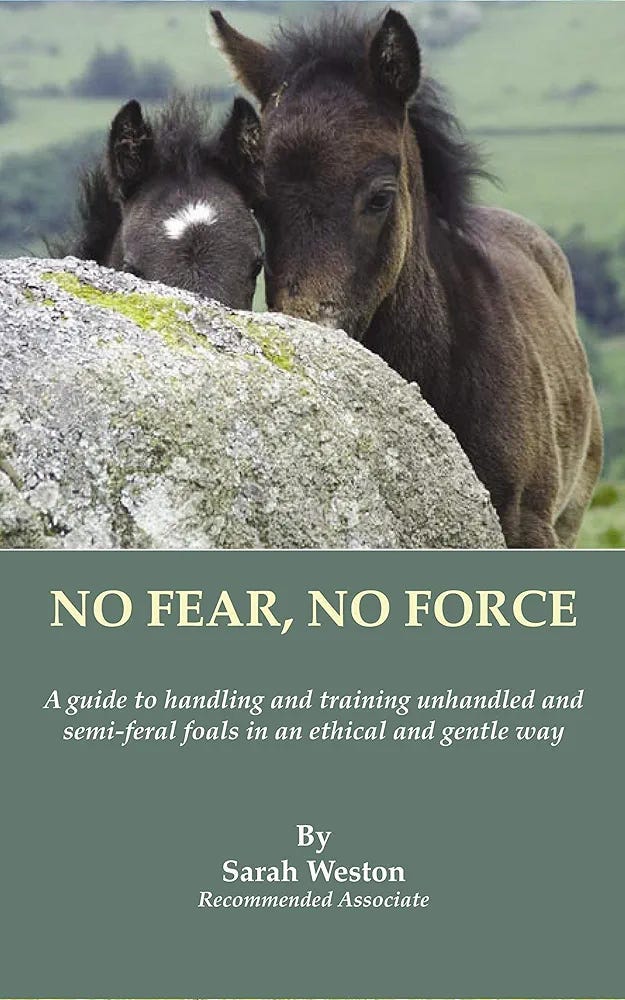
We knew we wanted to handle not just Tigger but all the ponies that came through our gates in the kindest way possible. I started looking into this and that's when I discovered positive reinforcement and clicker training through Heather Simpson and immediately saw the difference it made. Later we also discovered Intelligent Horsemanship trainer Sarah Weston who was amazing with these feral ponies - she has a book called No Fear No Force which is an excellent guide - who knew feather dusters and boas would become an essential in my pony training kit! I then went on to find Ben Hart (www.hartshorsemanship.com) who has some great clicker training shaping plans to follow.
Clicker Training
Tigger took to clicker training brilliantly. Intelligent and quick to learn, he began allowing a brush, backing up, moving over, and eventually picking up his feet. That felt like a huge sign of trust. He was often visibly tense, but he would take a leap of faith. I was always careful not to push him too far, and especially careful that what looked like cooperation wasn’t another freeze response.
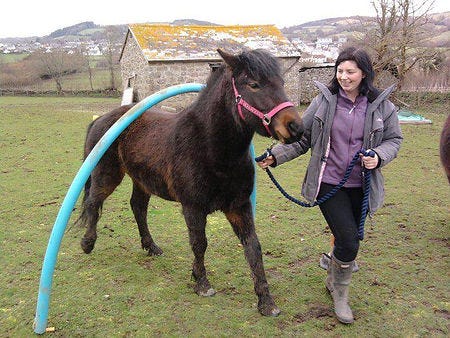
Once he could lead calmly I introduced obstacles and “spooky” objects. I took him for short walks on the road. When something startled him, he looked to me rather than running. Each positive moment was marked and rewarded.
Our first proper walk proved just how far he’d come. A noisy 4x4 with a rattling trailer full of hay approached. I moved him to the verge and kept his focus with the clicker whilst also allowing him to see it. As it passed, he looked at it, then at me… and promptly followed it down the road trying to grab mouthfuls of hay!
A major turning point came when we integrated our older, ridden horses into the herd. With experienced leaders present, Tigger no longer felt responsible for everyone’s safety. He noticeably became more relaxed and playful with the herd.
He could throw the occasional tantrum if he didn’t want to do something. There was always a fine line between genuine fear and simple reluctance, and it was important to tell the difference.
Pressure did not work with Tigger. If he felt trapped or pushed, he would rear. This first happened when loading him into a trailer and later when teaching him to tie up. The sensation of unrelenting pressure clearly triggered his early experiences. So I worked around it. Using clicker training, he learned to load calmly and has done so without hesitation ever since. The trailer was often left in the field for the herd to explore freely. I avoided tying him for years, breaking the process down into tiny steps until he could cope.
As he matured, a stubborn streak emerged! Once, after training and grazing, he refused to go back into the field. When I applied pressure, he reared, he wanted to stay where the grass was not go back to his friends! I changed tactics backing him up, walking forward a few steps and rewarding engagement. Step by step, we made it through the gate. He tried it once more another day, but the same method worked quickly and he never did it again and has never reared since.
He is now a calm, brave, cheeky happy pony. He will still ask questions but tends to be polite about it as he knows I am listening, or maybe I pick up on the signs sooner. I dread to think what he could have become with more forced handling.
Whenever a horse reacts strongly, I question why. There is always a reason. Too often people force compliance without understanding the cause if a behaviour and miss the cues that lead up to explosive reactions.
As part of his training, I took Tigger to a couple of in-hand shows and even did a short clicker training demonstration at an animal welfare country fair. He behaved impeccably. At one show we brought home two red rosettes. I was so proud I nearly cried.
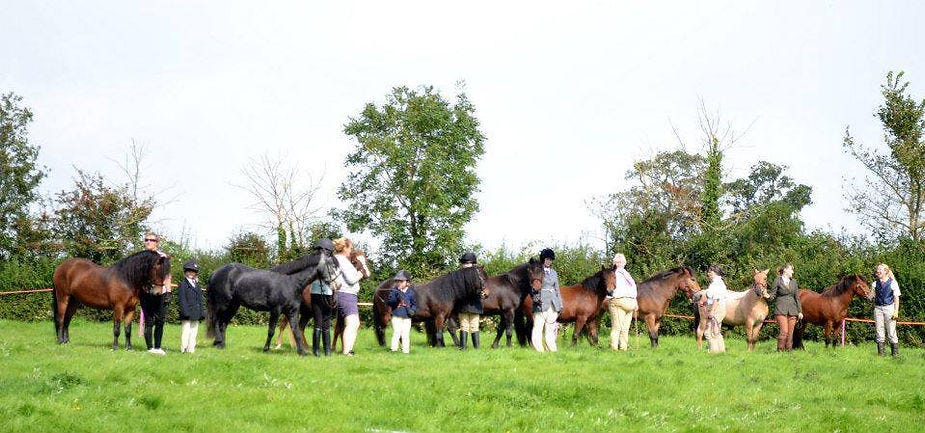
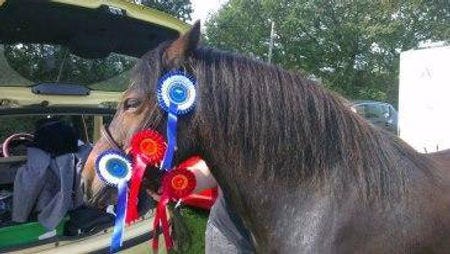
Clicker training also helped him learn not to back away when approached by people he didn't know. Because of his mistrust he would try and keep people where he wanted them, understandably so. I needed him to be ok for vets and farriers and so would have friends work with him from different angles building up that confidence and acceptance. Over time he became more relaxed with other people.
A few years later we left the herd and moved to a friend's yard with better facilities. He had another herd, and a pig to befriend. He settled well and with help we long-lined him and I backed him at seven years old. Our first hack together was amazing, I couldn't believe how far we had come.
Then my health declined severely, and I had to loan him to a trusted friend. I had tried numerous ways to keep him but nothing worked out long term. It broke my heart, but his welfare came first. I couldn’t risk him developing laminitis.
He lived for a number of years near Bodmin with Basil the Arab and Gali the Norwegian Fjord and had a great life with nothing asked of him other than to stay in his field and eat.
Losing him broke me. It took away what kept me going when I needed it most, but I couldn’t physically manage and couldn't afford full livery. It was a long long road back to my recovery - but he was happy, loved and cared for in the way he needed, I was always reassured by that.
In 2022 he had to come home as sadly both his companions died due to age related conditions. It was wonderful to have him back, I was so happy and was loving reconnecting with him. I started getting him fit and even got a saddle on him. Then after 6 months of happiness I was devastatingly diagnosed with stage 4 cancer. I had to put him into a retirement livery when I realised I couldn’t manage his care again.
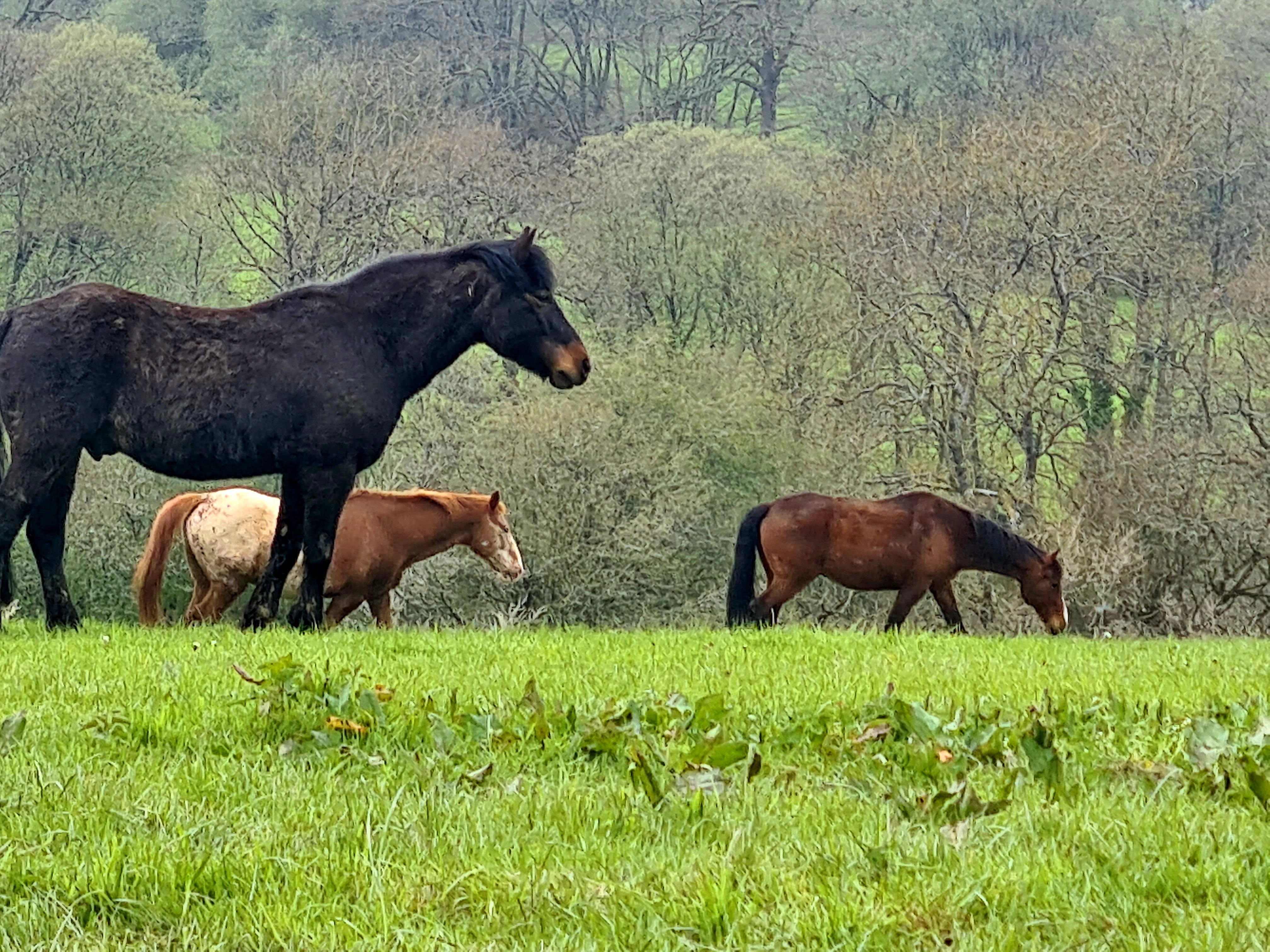
I was heartbroken.
A few months later a friend offered to keep him on her farm with her horses so I could still see him regularly. I loved the retirement livery but was worried about his weight, he had got very porky! And so I accepted the very generous offer and he moved again.
At this place I was able to see him without the pressure of his day to day care. I even re-backed him, and we hacked out together around the lanes. Every Tuesday, my chemo day, I would visit him beforehand as the route to the hospital took me past the farm. It became Tigger Tuesday rather than chemo day!
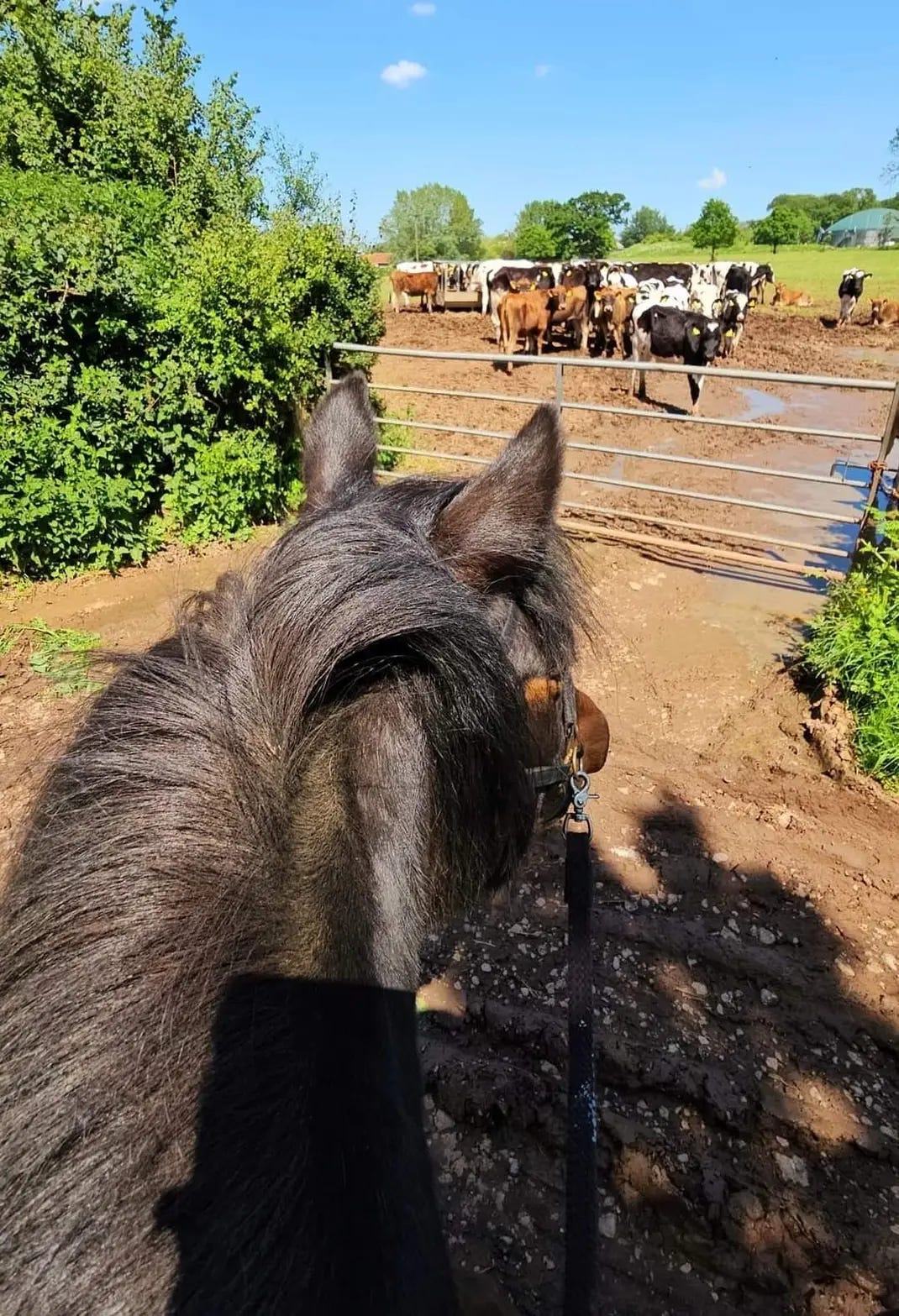
Eventually that arrangement had to sadly end due to the struggle with the herd dynamics and his dietary restriction needs. I was heartbroken all over again. We had come so far and I was finding such joy and escape with him. I was looking into affordable options when another friend said they had space on their land as 2 horses had moved off it. It was divine timing. I didn't hesitate as I knew he would be very happy there. It's where I used to run my workshops in mindfulness, nature connection and animal healing and is the most beautiful place.
It has been hard. I felt I was letting him down with all the unsettling moves, and that I lost him a bit again as he is too far away for me to visit regularly due to my fatigue levels with chemo. However when I do make it to see him it is always special. I can sit quietly, see the deer and the hares. I have ridden a few times but don't do much as he needs to be fit, and his company is more important than riding. Maybe this year, if I get a break from chemo, it will be our year to get more quality time together and some consistency.
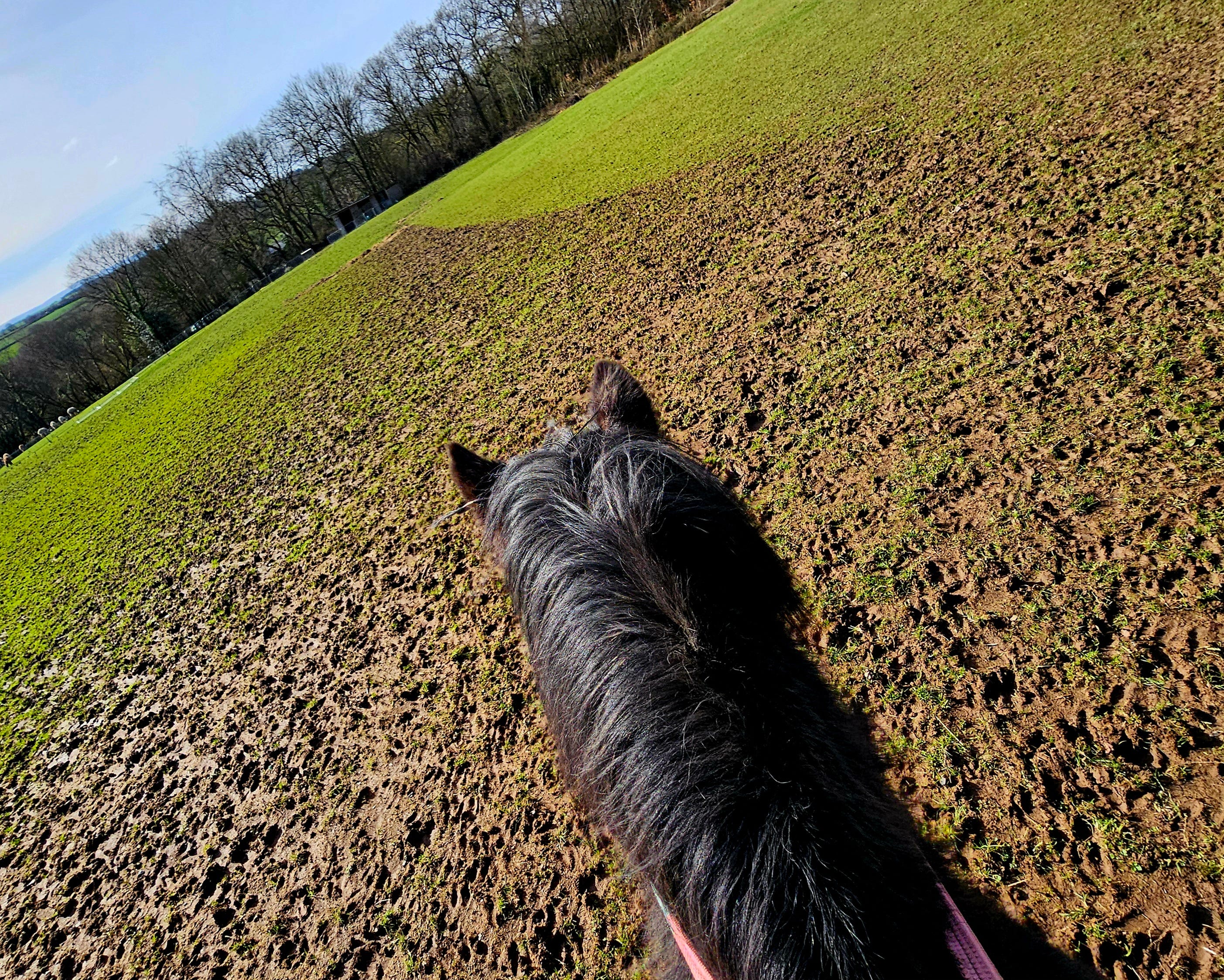
Tigger lives happily in his small herd managed exactly as he requires. He is settled and content — which is what matters most. I may not see him as often as I’d like, but every visit feels like a gift and I have told him I am doing my best to ensure he never has to move again.
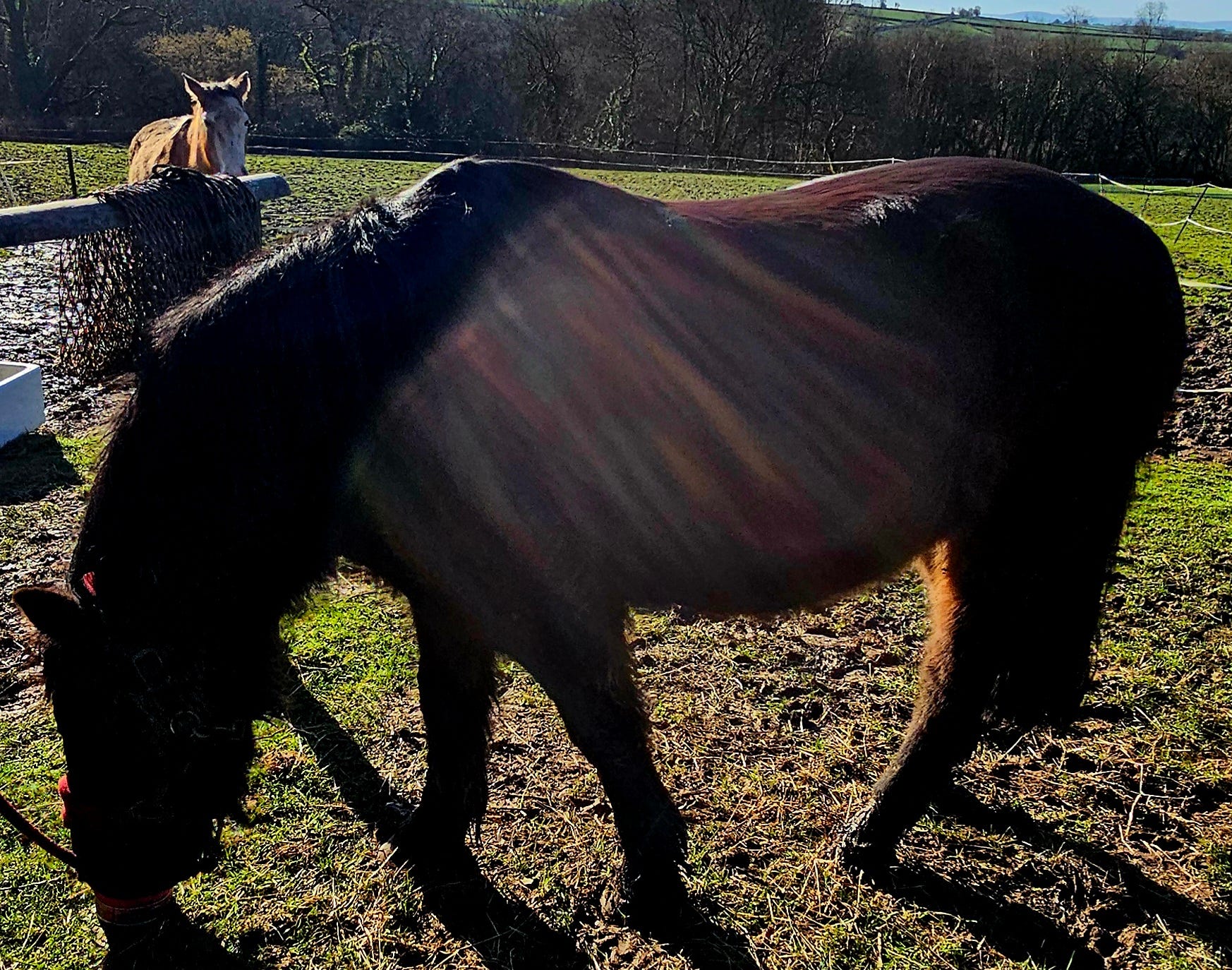
Everyone who meets Tigger loves him. For over twenty years he has been my teacher in patience, awareness, body language, emotion, and connection. He changed the way I understand horses and in many ways, he changed the way I understand myself.
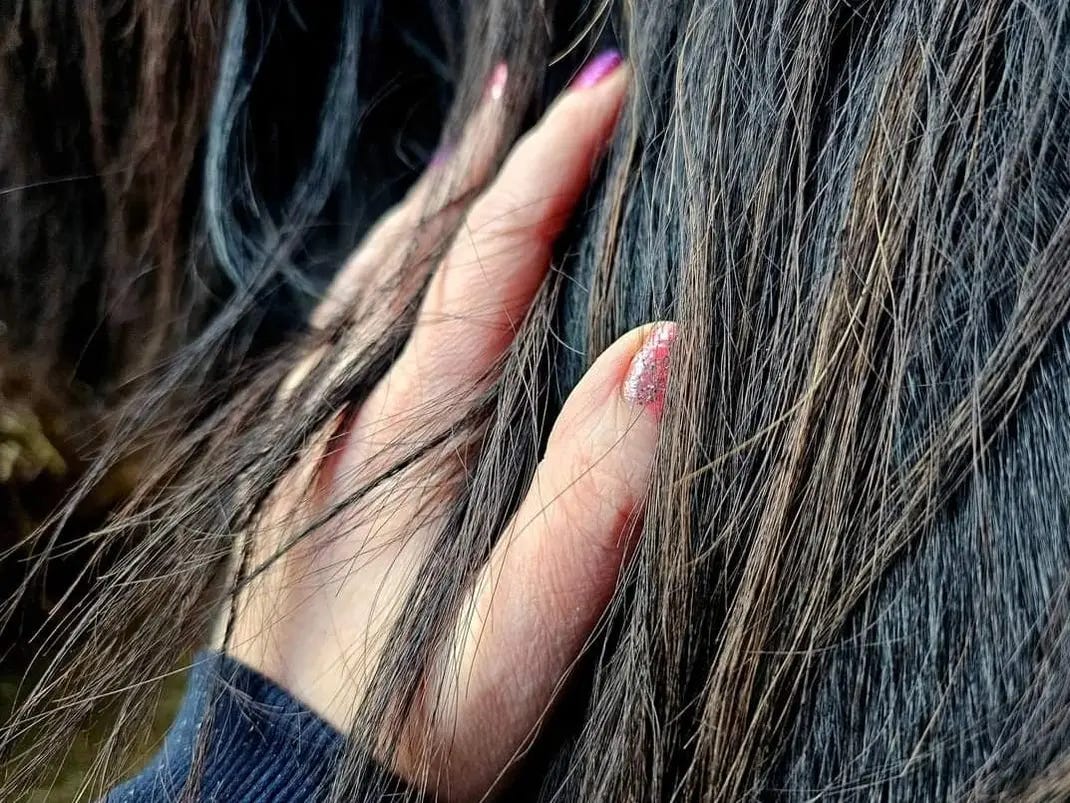
I loved reading Trigger's story and so much echoes the story of my Ted. Ted came from an auction, where many horses are shipped for slaughter. He landed at a rescue, was adopted, it didn't work, and he was sent to a "trainer" in my area and placed for adoption. That's when I found him. He was in terrible shape and we slowly worked. Ted was diagnosed with Cushing's last year and sudden onset of laminitis and can no longer go out in grassy pastures. Poor guy.
I love that you and Trigger still share a beautiful bond and he spent Tuesdays with you pre-chemo ♥️